Discover the Elegance of 17th-Century Naval Masterpieces
Nghia Tran
March 13, 2026 • 4 min read
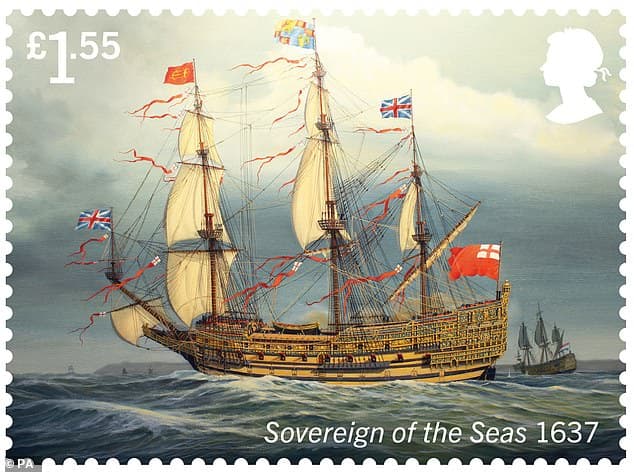
Ship Crafted is renowned for its dedication to recreating historic naval warships with exceptional detail and craftsmanship. Among their impressive collection, the Sovereign Of The Seas 47-inch wooden model stands out as a remarkable tribute to one of the most powerful warships of the 17th century. Carefully handcrafted with premium materials, this museum-quality model captures the grandeur and dramatic presence of a vessel that symbolized England’s naval ambition during the Golden Age of sail.
The original Sovereign of the Seas was commissioned by King Charles I of England and launched in 1637. At the time, it was considered the largest and most elaborately decorated warship in the world. The ship was famous for its extravagant Baroque carvings covered in gold leaf, which earned it the nickname “The Golden Devil.” The construction of the vessel was extremely expensive—equivalent to roughly £9.5 million in modern currency—and the massive spending contributed to financial tensions that later helped fuel the English Civil War.
Sovereign of the Seas participated in numerous naval battles throughout its service, including engagements against the Dutch navy during the Anglo-Dutch Wars. The warship served the English navy for more than 60 years before its dramatic end when it accidentally caught fire and was destroyed at Chatham Dockyard in 1696. Although the ship itself was lost, its legendary reputation endured, and several later warships were named in its honor.
Exquisite Craftsmanship and Historical Accuracy
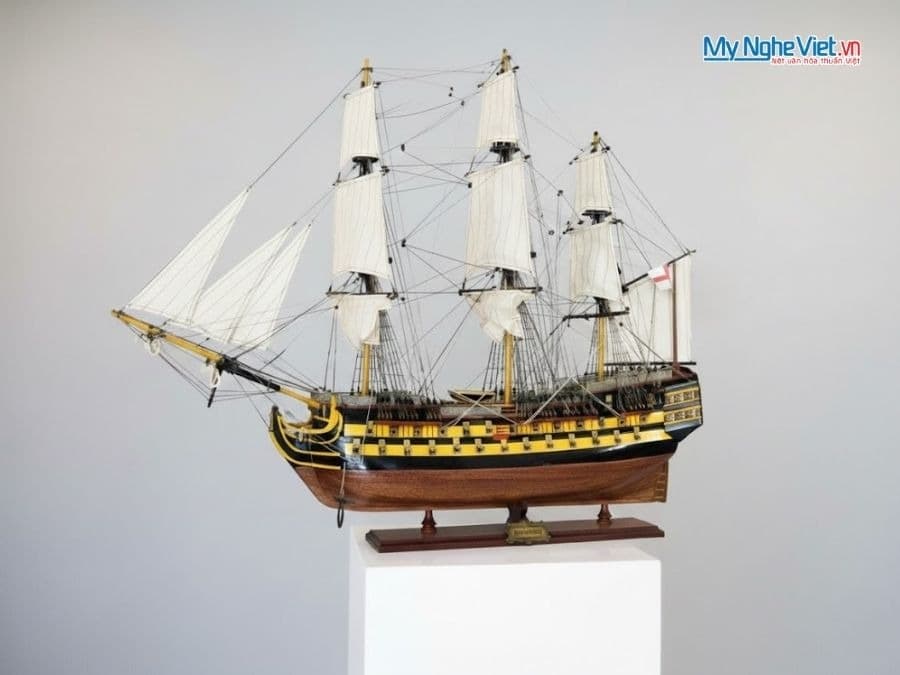
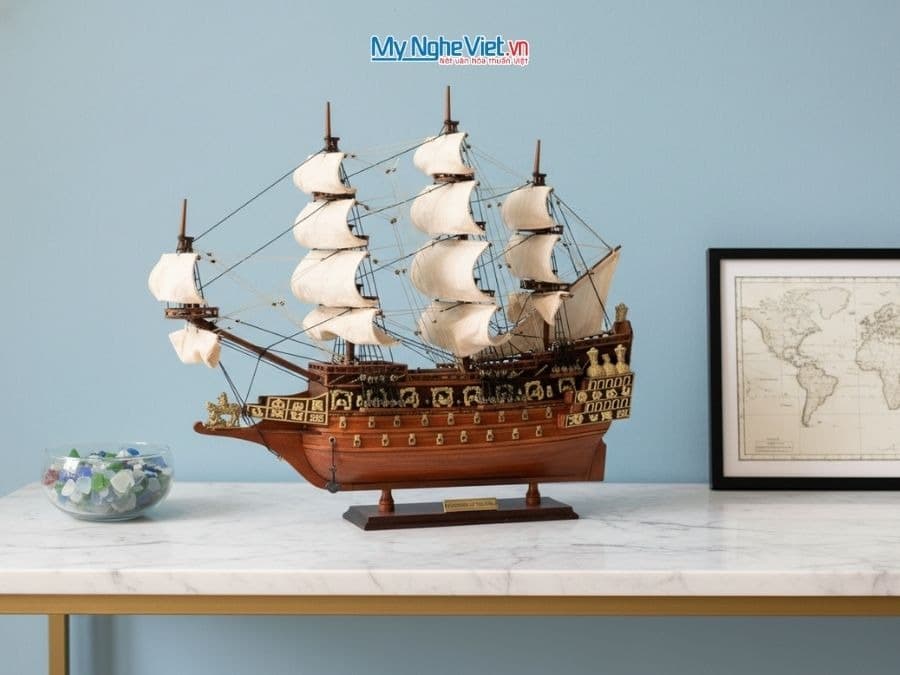
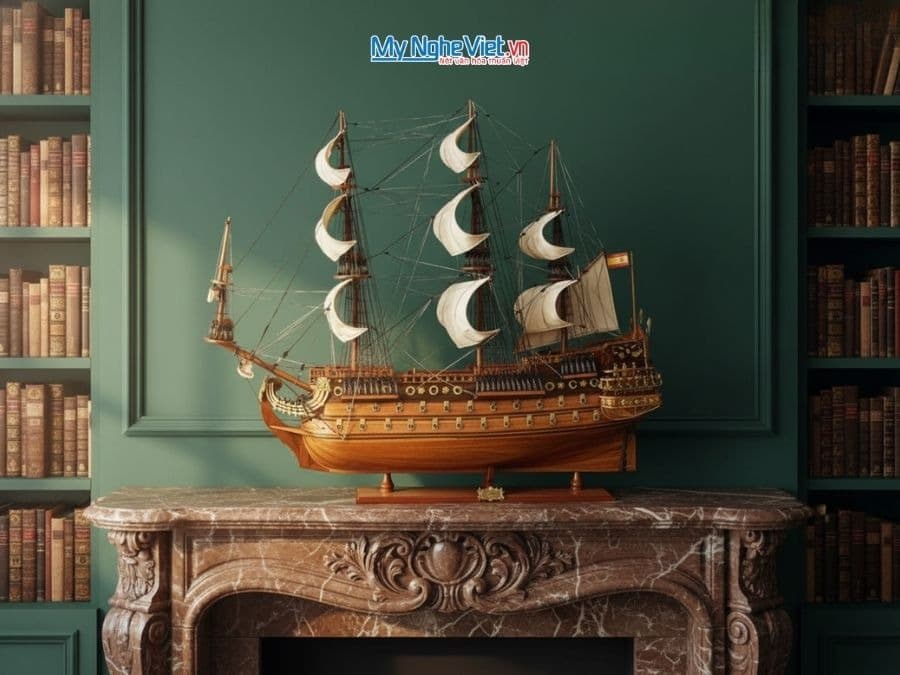
The Sovereign Of The Seas model by Ship Crafted faithfully recreates the design and artistic complexity of the historic warship. The model features a traditional plank-on-frame wooden hull, a construction technique used in authentic shipbuilding. Crafted from premium wood, fabric sails, and metal detailing—including brass elements—the model captures the elegance and structural sophistication of 17th-century naval architecture.
Measuring approximately 120 cm (47 inches) in hull length and weighing about 5 kilograms, the model offers a substantial and visually impressive display presence. The rigging system is carefully assembled to reflect the historic sail arrangement, while the decorative carvings and structural details highlight the Baroque artistry that made the original ship famous.
Skilled artisans carefully reproduce features such as gun decks, masts, cannons, and ornate stern decorations. The result is a museum-quality replica that celebrates both the engineering achievements and artistic beauty of one of history’s most iconic warships.
Key Facts About the Sovereign Of The Seas Model
- Dimensions: 120 cm (47 inches) hull length
- Materials: Premium handcrafted wood, fabric sails, and metal detailing
- Construction: Traditional plank-on-frame shipbuilding technique
- Fully assembled museum-quality model
For maritime enthusiasts, historians, or collectors of naval artifacts, the Sovereign Of The Seas wooden model offers an extraordinary opportunity to appreciate the artistry of historic shipbuilding. Its impressive size, authentic design, and intricate craftsmanship make it a standout centerpiece for any maritime collection or nautical-themed interior.
To explore this remarkable replica further, visit the product page and discover how Ship Crafted continues to preserve naval history through exquisite handcrafted models.
Frequently Asked Questions
Q: What materials are used in the Sovereign Of The Seas model?
A: The model is handcrafted from premium wood and includes fabric sails and metal detailing such as brass components to replicate the appearance of historic warships.
Q: Is the model ready for display upon purchase?
A: Yes, the model arrives fully assembled and is designed as a museum-quality display piece suitable for homes, offices, or maritime collections.
Q: Why is the Sovereign of the Seas historically important?
A: The ship was one of the most powerful and elaborately decorated warships of the 17th century. Commissioned by King Charles I, it symbolized England’s naval strength and played an important role in several naval battles before its destruction in 1696.
-01KJJ0YMXJT12T5M8DPDT04M1A.jpeg&w=1920&q=75)
-01KJM2GF6PDS8B82N80VE99JMF.jpeg&w=1920&q=75)
-01KJKY84WCPX79B31ZVS4MH85F.jpeg&w=1920&q=75)